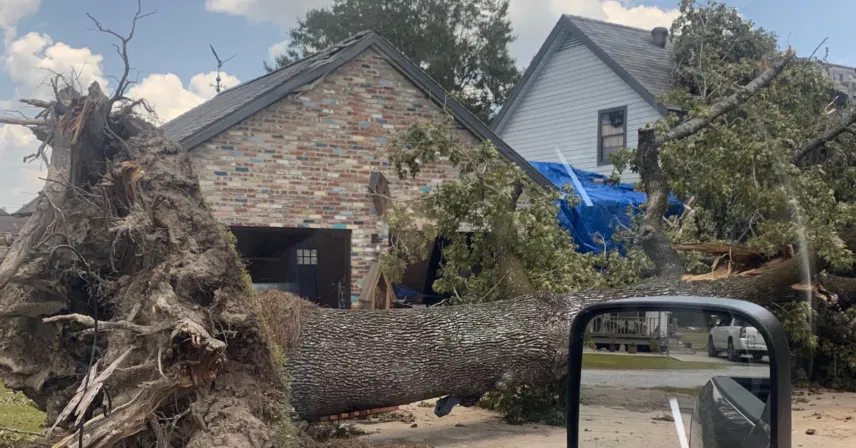
Hurricane season brings significant anxiety for homeowners in Lafayette, Louisiana, especially concerning the safety of their property. With our region’s susceptibility to intense storms, preparing your trees becomes a critical step in protecting your home and family. Hub City Tree and Preservation understands these local challenges and offers expert services to ensure your landscape is ready before the storms hit.
Key Takeaways
- Lafayette’s high vulnerability to hurricanes makes proactive tree preparation essential for home safety.
- Targeted trimming techniques, including thinning and deadwood removal, strengthen trees against high winds and reduce projectile risks.
- Professional tree services from Hub City Tree and Preservation offer expertise, safety, and transparent pricing, far outweighing DIY risks.
- Scheduling tree prep in late winter or early spring allows trees to recover and maximizes storm readiness.
- Avoiding common mistakes like ‘topping’ and last-minute pruning protects tree health and property integrity.
Why Proactive Tree Prep Matters for Lafayette Homes
Proactive tree preparation is crucial for Lafayette homeowners because our area faces significant hurricane risks annually. Lafayette Parish ranks as the most vulnerable parish in Louisiana and 37th in the United States concerning potential financial impact from storms. High winds, often reaching 150 mph in Category 4 hurricanes, are a primary cause of tree damage, leading to broken branches, fallen limbs, and uprooted trees.
- Enhanced Safety: Removing weak or overhanging branches drastically reduces the risk of injury to people and pets during a storm.
- Property Protection: Properly trimmed trees are less likely to fall on your home, vehicles, or outdoor structures, preventing costly damage.
- Tree Health and Longevity: Regular, professional pruning improves a tree’s structural integrity, making it more resilient to strong winds and heavy rainfall.
- Reveals Hidden Weaknesses: Experts from Hub City Tree and Preservation can identify internal decay, insect infestations, or diseases that might compromise a tree’s stability, addressing them before a storm exposes them.
- Reduced Cleanup Effort: Proactive removal of hazardous limbs means less debris to clear after a storm, saving you time and effort.
Understanding Lafayette’s Climate and Regulations
Navigating Lafayette’s specific climate conditions and local regulations is key to effective tree care. Our city experiences a warm, humid subtropical climate with abundant rainfall, averaging 61 to 64 inches annually. The official hurricane season runs from June 1 to November 30, with peak activity in August and September.
Essential Tree Trimming Techniques for Hurricane Season
Effective tree trimming for hurricane season goes beyond just cutting branches; it focuses on enhancing a tree’s structural integrity and reducing its wind resistance. Hub City Tree and Preservation employs techniques that encourage healthy growth while minimizing storm risks.
| Pruning Technique | Purpose for Hurricane Prep | Key Benefit |
| Crown Thinning | Increases wind penetration, reduces resistance | Prevents tree from acting like a sail |
| Deadwood Removal | Eliminates weak, falling hazards | Removes potential projectiles |
| Crown Reduction | Lowers tree’s center of gravity | Enhances stability against uprooting |
| Structural Pruning | Builds strong branch architecture | Increases overall tree resilience |
- Crown Thinning: This involves selectively removing interior branches to improve air circulation through the canopy. Better airflow reduces wind resistance, making the tree less likely to catch strong gusts and topple.
- Deadwood Removal: Eliminating dead, dying, or diseased branches is crucial. These limbs are weak and easily become dangerous projectiles during high winds, posing significant threats to property and people.
- Crown Reduction: For very large trees, reducing the overall height and spread of the crown can lower the tree’s center of gravity. This makes it more stable and less prone to uprooting, but it must be done carefully to avoid ‘topping’ and stressing the tree.
- Structural Pruning: Focusing on developing a strong scaffold of branches, this technique removes weak or poorly attached limbs. It helps create a balanced structure that can better withstand severe weather.
- Clearance Pruning: Ensuring branches are kept away from your home, power lines, and other structures prevents direct impact damage during strong winds or heavy rain. Remember LUS guidelines for power line clearance.
When to Schedule Your Tree Preparation
Timing is everything when it comes to hurricane season tree preparation. Waiting until a storm is in the Gulf is far too late. Proactive measures give your trees the best chance to recover and strengthen before the weather turns severe. Hub City Tree and Preservation always recommends planning ahead.
- Ideal Window: The best time to schedule significant tree trimming for hurricane preparedness is during late winter or early spring. This allows the tree to heal pruning wounds and allocate energy to new growth before the stress of summer heat and hurricane activity.
- Before June 1: Aim to complete all major tree work before June 1, the official start of hurricane season. This ensures your trees are in optimal condition when the risk of storms begins.
- Avoid Extreme Pruning Just Before a Storm: Performing heavy pruning immediately before a hurricane can actually weaken a tree, leaving it more vulnerable to wind damage. It stresses the tree, making it less able to withstand the storm’s force.
- Regular Maintenance is Key: Beyond seasonal prep, regular, lighter maintenance throughout the year helps keep trees healthy and reduces the need for drastic measures when hurricane season approaches. Think of it as ongoing wellness for your trees.
The Cost of Hurricane Season Tree Preparation in Lafayette
Many Lafayette homeowners worry about the cost of professional tree services, but considering the potential damage from an unprepared tree, it’s a worthwhile investment. Hub City Tree and Preservation offers transparent pricing, ensuring you receive quality service without unexpected expenses. Costs vary based on tree size, location, and the complexity of the job.
| Service Type | Factors Affecting Cost |
| Small Tree Removal (under 30 ft) | Accessibility, proximity to structures |
| Medium Tree Removal (30-60 ft) | Crane usage, power line proximity |
| Large Tree Removal (over 60 ft) | Tree species, hazard level, stump removal |
| Stump Grinding/Removal | Stump diameter, root system, accessibility |
| Tree Trimming (per hour) | Tree size, number of trees, complexity of cuts |
DIY vs. Professional Tree Care for Storm Prep
When considering tree care for hurricane preparedness, homeowners often weigh doing the work themselves against hiring professionals. While DIY might seem cheaper upfront, the risks and potential hidden costs often make professional service the smarter choice, especially in a hurricane-prone area like Lafayette.
| Feature | DIY Approach | Professional Service |
| Safety | High risk of injury, falls, equipment accidents | Experienced, trained crews with safety gear and insurance |
| Expertise | Limited knowledge of tree biology, proper cuts, local regs | Certified arborists understand tree health, growth, and regulations |
| Equipment | Basic tools, ladders, potentially inadequate for large jobs | Specialized saws, lifts, chippers, safety equipment for all tasks |
| Time | Time-consuming, physically demanding, and often spread over days | Efficient, well-coordinated work completed quickly and effectively |
| Cost (Initial vs. Potential) | Low initial cost, high potential for damage/injury expenses | Higher initial cost, minimizes risk of costly storm damage |
| Cleanup | Requires hauling and disposal of large debris | Comprehensive debris removal and site cleanup included |
Common Mistakes to Avoid in Hurricane Tree Prep
Even with good intentions, homeowners can make critical mistakes that compromise their trees’ health and increase storm vulnerability. Avoiding these common errors ensures your efforts genuinely prepare your landscape for hurricane season.
- Topping Trees: This practice involves cutting off the entire top of a tree. It severely stresses the tree, creates weak, rapidly growing sprouts that are prone to breakage, and leaves large, open wounds susceptible to disease and decay. Lafayette’s city ordinances prohibit this for good reason.
- Extreme Pruning Just Before a Storm: As mentioned, heavy pruning right before a hurricane can weaken a tree. It needs time to heal and recover, making it more vulnerable to wind and rain stress.
- Ignoring Hidden Tree Problems: Many trees have internal weaknesses, root rot, or pest infestations that aren’t obvious to the untrained eye. These issues can lead to catastrophic failure during a storm. A professional arborist can spot these problems.
- Leaving Large Limbs Overhanging Structures: Failing to remove or properly prune large branches that extend directly over your home, garage, or other valuable assets is a significant oversight. These are prime candidates for causing damage.
- Incomplete Cleanup: After trimming, leaving piles of branches and debris can become hazardous during a storm. These items can become projectiles, causing additional damage. Always ensure thorough cleanup.
Beyond Trimming: Comprehensive Storm Readiness
While tree trimming is central to hurricane preparation, a truly comprehensive approach involves broader steps to secure your property and enhance overall safety. Thinking beyond just the trees helps create a more resilient home environment.
- Regular Tree Inspections: Even after professional trimming, regularly inspect your trees for new signs of weakness, disease, or pest activity throughout the year. Early detection can prevent major issues.
- Secure Loose Items: Before a storm, secure or bring indoors any outdoor furniture, decorations, trash cans, or other items that could become wind-borne projectiles.
- Clean Gutters and Drains: Ensure your home’s drainage systems are clear to handle heavy rainfall, preventing water damage and potential flooding.
- Review Insurance Policies: Understand your homeowner’s insurance coverage regarding storm damage, including tree-related incidents. This helps you know what to expect if the worst happens.
- Prepare an Emergency Kit: Have a well-stocked emergency kit with water, non-perishable food, first-aid supplies, flashlights, and batteries ready for any power outages.
Frequently Asked Questions
When is the best time to prepare my trees for hurricane season in Lafayette?
The best time for hurricane season tree preparation in Lafayette is during late winter or early spring, well before hurricane season officially begins on June 1. This timing allows trees to recover from pruning stress before facing the intense weather conditions of summer and fall storms.
How much does professional tree trimming and removal cost in Lafayette?
Tree removal costs in Lafayette typically range from $400 to $1,800, depending on tree size, location, and complexity. Trimming services can average around $150 per hour. Hub City Tree and Preservation provides transparent pricing, ensuring you understand the costs upfront for your specific needs.
Are there specific local regulations for tree work in Lafayette, LA?
Lafayette’s Tree Protection Ordinance (TPO) requires permits for removing or excessively pruning ‘protected trees’ (indigenous species 12+ inches in diameter on developed properties). The Lafayette Utilities System (LUS) also has guidelines for trees near power lines. Hub City Tree and Preservation navigates these regulations for you.
Can I prepare my trees for hurricane season myself, or should I hire a professional?
While minor trimming might be a DIY task, hurricane preparation often involves complex cuts, working at heights, and handling heavy limbs. Professional services from Hub City Tree and Preservation offer safety, specialized equipment, insurance, and expertise, preventing property damage and personal injury.
How can I tell if a tree on my property is a hurricane risk?
Signs include dead or decaying branches, cracks in the trunk or major limbs, leaning trees, excessive growth on one side, or branches rubbing together. Hub City Tree and Preservation arborists can identify these hidden issues during an assessment, preventing potential storm damage.
What happens if I wait until a hurricane is approaching to trim my trees?
Waiting until a storm is imminent or after it hits drastically increases risks and potential costs. Proactive trimming prevents damage, strengthens trees, and addresses weaknesses before they become emergencies. Emergency services are more expensive and often have longer wait times during storm events.
What services does Hub City Tree and Preservation offer for hurricane prep and recovery?
Hub City Tree and Preservation offers a full range of services, including expert tree trimming, hazardous tree removal, stump grinding, and 24/7 emergency storm cleanup. We ensure your property is prepared and safe, even after the worst weather passes.
Protect Your Lafayette Home Before Hurricane Season Hits
Proactive hurricane season tree preparation is not just a recommendation; it’s a necessity for Lafayette homeowners. By understanding local regulations, recognizing hazardous tree conditions, and acting before storms arrive, you significantly boost your property’s safety and resilience. Hub City Tree and Preservation stands ready as your trusted local partner, offering expert trimming, removal, and emergency services with transparent pricing and exceptional care. Don’t wait for the next storm to hit; secure your home and trees by contacting Hub City Tree and Preservation today for a professional assessment and preparation plan.