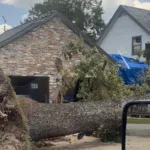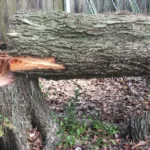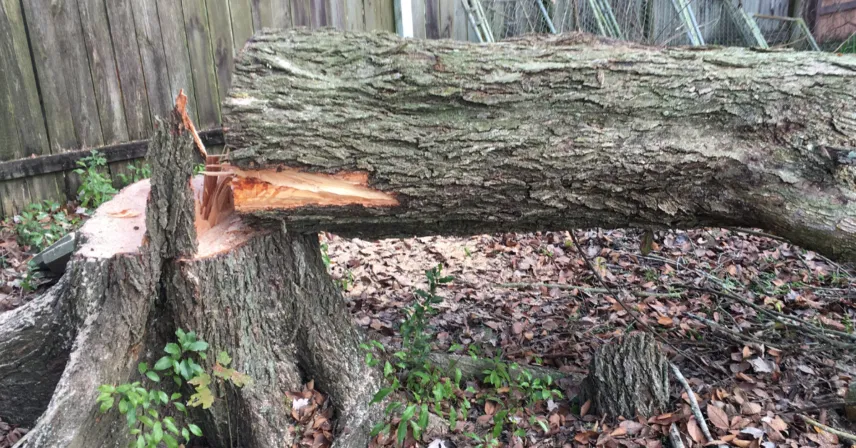
Seeing a tree lean on your Lafayette property can be alarming. It raises immediate questions: Is it about to fall? Can it be saved? Understanding the difference between a natural lean and a dangerous emergency is crucial for your safety and property.
Key Takeaways
- A sudden or significant lean, cracked soil, visible trunk splits, or proximity to structures often signal an emergency requiring immediate professional help.
- Many leaning trees, especially younger ones with intact root systems, can be saved through expert pruning, cabling, bracing, or staking.
- Lafayette’s climate, including hurricanes and heat, significantly impacts tree stability, making regular professional assessments vital.
- DIY tree removal is highly risky; always rely on certified arborists for safe and effective solutions.
- Understanding local regulations and permit requirements for tree work is essential for homeowners in Lafayette.
- Professional assessment from Hub City Tree and Preservation ensures accurate diagnosis and the safest, most effective course of action for your leaning tree.
What Constitutes a Leaning Tree Emergency in Lafayette?
A leaning tree becomes an emergency when its structural integrity is compromised, posing an immediate threat to life or property. This isn’t just about a tree growing at an angle; it’s about a tree that has lost its stable footing or has weakened internally.
- Sudden Increase in Lean: If the tree’s lean has noticeably worsened, particularly after a storm, it indicates a critical failure in its root system or trunk.
- Uplifted Soil or Root Plate: Visible cracks in the soil around the base, or the entire root system appearing to lift from the ground, means the tree is losing its anchor.
- Trunk Cracks or Splits: Large, deep cracks or splits running through the trunk or major branches signify severe structural damage, making collapse imminent.
- Extensive Decay: Evidence of widespread rot, fungal growth (mushrooms) at the base, or a hollow sound when tapping the trunk suggests a severely weakened tree.
- Proximity to Hazards: A leaning tree near your home, driveway, power lines, or public walkways represents an immediate danger if it falls.
- Sudden Tilting Post-Storm: A tree that visibly shifts or tilts after heavy winds or rain likely has sustained significant root damage or experienced soil erosion.
Recognizing the Signs: When Your Lafayette Tree Needs Immediate Attention
Recognizing the subtle and overt signs of a tree in distress is the first step toward effective intervention. Lafayette’s unique climate factors often contribute to these issues, making vigilant observation crucial.
Lafayette’s Climate and Tree Health
The natural environment in Lafayette plays a significant role in tree health and stability. Understanding these influences helps homeowners anticipate and react to potential issues.
- Hurricanes and Severe Storms: Louisiana frequently experiences strong winds and heavy rainfall. Category 4 hurricanes like Laura (2020) and Ida (2021) caused widespread tree damage, leading to massive forest canopy loss. Storms can immediately destabilize trees or cause delayed mortality.
- Heat and Drought: Increasing temperatures and prolonged dry spells weaken trees, making them more vulnerable to disease and pests. Urban trees face additional stress from pollution and limited space.
- Soil Erosion and Instability: Heavy rains and flooding, common in our region, can erode soil around tree bases, weakening root systems and increasing lean risk.
Common Tree Problems in South Louisiana
Beyond weather, specific biological threats can compromise a tree’s structural integrity, leading to leans or breaks. Being aware of these common problems helps you identify issues early.
- Bacterial Infections: Trees like elms, sycamores, maples, and oaks are susceptible to bacterial leaf scorch, which can weaken their overall health.
- Pests: Insect infestations, such as galls on oak leaves, can stress trees and contribute to decline.
- Fungal Diseases: Anthracnose, especially prevalent in humid climates, affects oak, sycamore, maple, and dogwood, causing defoliation and branch dieback.
- Root Rot and Oak Wilt: These serious diseases directly attack the tree’s foundation, leading to a compromised root system and eventual leaning or collapse.
Saving a Leaning Tree: When Intervention Can Work
Not every leaning tree is beyond hope. Many can be saved with timely and professional intervention, especially if the lean is minor, has been consistent, or affects a younger tree.
When a Tree Can Be Saved
The potential to save a leaning tree often depends on its age, the severity of the lean, and the underlying cause. A professional assessment from Hub City Tree and Preservation can determine the best course.
- Natural Lean: Some trees naturally grow at an angle toward sunlight or due to uneven terrain. If the lean is consistent, not worsening, and shows no signs of root damage, it might not need urgent intervention, though monitoring is wise.
- Minor Lean in Young Trees: Younger trees are far more pliable and easier to straighten and stabilize than mature ones.
- Intact Root System: If the tree’s roots are largely undisturbed and firmly anchored, the chances of saving it are much higher.
Effective Methods to Save Leaning Trees
When a tree can be saved, professional arborists employ various techniques to restore its health and stability. These methods are designed to support the tree without causing further damage.
- Strategic Pruning: Carefully removing specific limbs can rebalance the tree’s weight, reduce wind resistance, and encourage more symmetrical growth.
- Cabling and Bracing: These supplemental support systems use cables or rods to provide structural assistance, reducing stress on weak limbs and stabilizing the tree against further leaning.
- Soil Correction: In some instances, addressing soil compaction or erosion around the tree’s base can help it re-establish a stronger foundation.
- Staking: For young trees, proper staking can guide them to grow upright, correcting minor leans before they become significant issues.
The Dangers of DIY Tree Removal in Lafayette
Attempting to tackle a leaning tree yourself, especially a large one, can lead to severe consequences. The dangers involved are substantial and often underestimated by homeowners.
- Serious Injury or Fatalities: Falling trees or large branches can cause severe injury or death. Hurricane Laura in 2020, for example, tragically caused four deaths in Louisiana due to falling trees hitting homes.
- Property Damage: Incorrect cutting techniques or misjudging a tree’s fall trajectory can result in extensive damage to your home, vehicles, fences, or neighboring properties.
- Electrical Hazards: Many leaning trees are near power lines. DIY work in these areas risks electrocution, power outages, and significant damage to the electrical grid.
- Unpredictable Collapse: Decaying wood can crumble unexpectedly, and a compromised root system can give way without warning, even during seemingly minor interventions.
- Lack of Proper Equipment: Professionals use specialized equipment for safe and efficient tree work. Without it, you increase risks and often achieve less effective results.
- Permit Violations: Unpermitted tree removal or pruning, especially for trees on city property, can lead to fines and legal complications.
Professional Tree Assessment: Why Hub City Tree and Preservation is Your Go-To
When faced with a leaning tree, a professional assessment is your best course of action. Hub City Tree and Preservation offers the expertise and experience Lafayette homeowners trust.
- Certified Expertise: Our ISA Certified Arborists possess the knowledge to accurately diagnose tree health issues, assess structural integrity, and recommend the most effective solutions.
- Safety First Approach: We prioritize safety for your property, our team, and the public. We calculate falling trajectories precisely and manage complex situations with expert care.
- Comprehensive Solutions: Whether it’s intricate pruning, advanced cabling, or safe removal, Hub City Tree and Preservation provides tailored services that address the root cause of the problem.
- Local Knowledge: We understand Lafayette’s specific climate challenges, common tree diseases, and local regulations, ensuring our recommendations are effective and compliant.
- Meticulous Cleanup: Our team ensures your property is left spotless, addressing a common customer pain point with less reputable services.
- Prompt and Reliable Service: We pride ourselves on quick responses for estimates and emergency services, understanding the urgency a leaning tree can create. For immediate assistance or to schedule an assessment, please Contact Hub City Tree and Preservation.
Cost Factors for Leaning Tree Solutions in Lafayette
Understanding the potential costs involved helps in making informed decisions about your leaning tree. Prices can vary significantly based on several factors, but having a general idea is helpful.
Several elements influence the final price, so always get a detailed quote.
- Tree Size and Type: Larger, denser trees require more time, equipment, and personnel.
- Severity of Lean/Hazard: Trees posing immediate danger or requiring complex rigging will cost more due to increased risk and specialized techniques.
- Location and Accessibility: Trees in confined spaces, near power lines, or on steep terrain increase labor and equipment needs.
- Extent of Damage: If the tree is extensively decayed or has multiple broken limbs, the work becomes more challenging.
- Emergency Service: After-hours or urgent responses for hazardous trees typically incur higher fees.
Navigating Local Regulations for Tree Work in Lafayette, LA
Understanding Lafayette’s tree-related regulations is crucial for homeowners. These rules help maintain public safety and preserve urban greenery.
- Lafayette Utilities System (LUS) Guidelines: LUS has crews that maintain trees away from power lines. Homeowners should avoid planting tall trees under primary lines and follow ‘growth zone’ recommendations to prevent future conflicts.
- Permits for Tree Work: Some tree work, especially on city property or public rights-of-way, requires a permit. For example, pruning city trees over 25 feet in height needs approval.
- City-Maintained Trees: The Lafayette Consolidated Government maintains dead, dying, or diseased trees in the grass strip between sidewalks and streets at no cost to the property owner.
- Community Planting Policy: This policy sets minimum distances for planting trees near intersections, driveways, light poles, and fire hydrants to ensure visibility and prevent hazards.
Choosing Between Saving and Removing a Leaning Tree: A Comparison
When faced with a leaning tree, weighing the pros and cons of saving it versus removing it is a critical decision. Consider the long-term impact and safety.
Save vs. Remove: A Critical Decision
Deciding whether to save or remove a leaning tree involves considering various factors, including immediate cost, long-term value, and safety.
| Factor | Saving the Tree | Removing the Tree |
| Initial Cost | Often lower (pruning, cabling: $200-$1,500) | Generally higher ($500-$2,500+) |
| Long-term Value | Preserves aesthetic appeal, property value, and environmental benefits (e.g., carbon sequestration of -37 ktCO₂e/year in Lafayette Parish). | Eliminates immediate hazard; long-term loss of tree benefits (e.g., a mature tree absorbs 48 lbs of CO₂ annually). |
| Safety Risk | Reduced risk if professionally supported; ongoing monitoring may be needed. | Eliminates risk of collapse; professional removal is safest. |
| Environmental Impact | Maintains tree cover (Lafayette Parish lost 35 hectares of natural forest in 2024), contributes to carbon sink. | Contributes to tree cover loss, impacting local ecosystem and carbon footprint. |
| Energy Savings | Continues to provide cooling in summer and insulation in winter, reducing energy use. | Loss of energy-saving benefits; may increase utility costs. |
Protecting Your Lafayette Property: Expert Tips from Hub City Tree and Preservation
Proactive tree care can prevent many issues that lead to leaning trees. Hub City Tree and Preservation offers expert advice to keep your Lafayette landscape thriving.
- Regular Inspections: Schedule annual professional tree inspections. Early detection of disease, pests, or structural weaknesses can prevent major problems.
- Proper Pruning: Invest in professional pruning to maintain tree health, balance weight, and reduce wind resistance. This is especially important for trees susceptible to storm damage.
- Monitor Soil Conditions: Be aware of soil erosion or compaction around your tree bases, particularly after heavy rains. Ensure proper drainage to prevent root rot.
- Strategic Planting: When planting new trees, choose species suited to Lafayette’s climate and soil, and plant them at appropriate distances from structures and utility lines, following LUS guidelines. For guidance on tree selection and placement, consider consulting LSU AgCenter resources.
- Hydration During Drought: Provide adequate water to trees during prolonged heat waves and droughts to mitigate stress and maintain vitality. For more information on tree care during drought, refer to the USDA Forest Service guidelines.
- Post-Storm Checks: After any severe weather event, visually inspect your trees for new leans, cracks, or broken limbs. Call Hub City Tree and Preservation immediately for any concerns. You can find more details on storm preparedness for trees from the EPA or Ready.gov.
Frequently Asked Questions
How do I know if my leaning tree is an emergency?
A sudden lean, visible cracks in the soil or trunk, extensive decay, or proximity to structures mean it’s an emergency. These signs point to compromised stability, risking property damage or injury. Contact a professional arborist immediately for a safety assessment.
Can a leaning tree always be saved, or does it need removal?
Younger trees with minor leans and intact root systems often can be saved. Professional arborists use methods like strategic pruning, cabling, bracing, or staking to restore balance and support, guiding the tree back to a healthy, upright position.
What is the typical cost to address a leaning tree in Lafayette?
Costs vary based on tree size, lean severity, location, and required services (pruning, cabling, removal). Expect a professional assessment to clarify options and provide an accurate estimate. Complex removals near structures typically cost more.
Do I need a permit to remove a leaning tree in Lafayette, LA?
Yes, some trees on city property or those over 25 feet on a right-of-way require permits for pruning or removal. Lafayette Utilities System (LUS) also has guidelines for trees near power lines. Always check local regulations before starting work.
Why shouldn’t I try to fix a leaning tree myself?
DIY tree removal is extremely dangerous due to risks of falling trees, ladder instability, electrical hazards near power lines, and unexpected wood crumbling. Professionals have the training, equipment, and insurance to perform the job safely and efficiently.
What are the common signs of root damage in a leaning tree?
Look for visible cracks in the soil around the base, exposed or uplifted roots, fungal growth on the trunk or roots, and large splits in the trunk. These are strong indicators of root system failure or structural compromise.
Protect Your Home | Save the Tree When Possible.
Addressing a leaning tree promptly protects your property and ensures safety. Whether it requires emergency removal or can be saved through expert care, Hub City Tree and Preservation stands ready as Lafayette’s premier service provider. We offer professional assessments and tailored solutions, keeping your landscape healthy and secure. Don’t wait for a small lean to become a major problem; reach out to Hub City Tree and Preservation today for peace of mind and expert tree care.