Key Takeaways
- Southern Magnolias are broadleaf evergreens, meaning they drop old leaves year-round, with a massive spike in late spring.
- The waxy coating on Magnolia leaves makes them slow to decompose, often smothering grass if not managed.
- Proper mulching and skirting (pruning lower limbs) can significantly reduce the visual mess and labor of cleanup.
- Dropping leaves in the spring is usually a healthy sign of new growth, but yellowing in late summer could signal stress.
- Working with a local specialist ensures your Magnolia remains a centerpiece rather than a maintenance nightmare.
In the heart of Acadiana, few trees are as iconic or as beloved as the Southern Magnolia (Magnolia grandiflora). With their dinner-plate-sized white blossoms and deep, glossy green foliage, they are the undisputed royalty of the South Louisiana landscape. However, for many homeowners in Lafayette and Broussard, owning a Magnolia is a bit of a love-hate relationship.
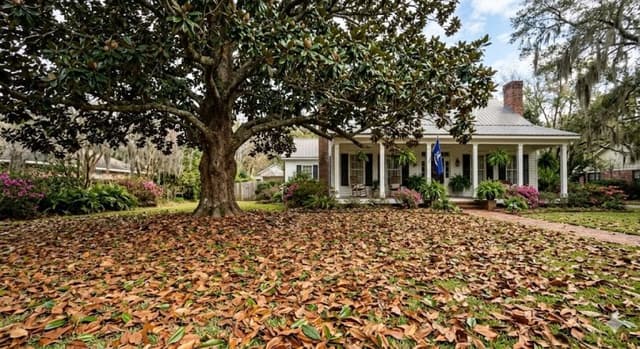
The hate part usually starts in May and June. Just as the rest of your garden is hitting its stride, the Magnolia begins its annual trash dump. Huge, leathery, brown leaves begin to rain down, covering your perfectly manicured lawn in a thick, crunchy carpet. Because these leaves are tough and waxy, they don’t simply rot away like Oak or Maple leaves. If you don’t have a plan, your Magnolia can quickly turn from a beautiful asset into a full-time weekend chore.
The Science of the Evergreen Mess
One of the most common misconceptions is that evergreen trees keep their leaves forever. In reality, a Magnolia leaf usually lives for about two years. To make room for the lush new growth and those famous fragrant flowers, the tree has to shed its old, tired foliage.
In South Louisiana, this peak drop usually happens in late spring. The tree is essentially molting. While it looks like the tree might be dying because of the sudden yellowing and shedding, it is actually a sign of a high-functioning, healthy tree. The problem for the homeowner is that these leaves are designed by nature to be indestructible. Their waxy cuticle prevents moisture from breaking them down, meaning they can sit on your grass for months, blocking sunlight and eventually killing the turf beneath them.
Management Strategy 1: The Self-Mulching Zone
The most effective way to manage Magnolia mess is to stop fighting nature and start working with it. In their natural forest environment, Magnolias are self-mulching. They drop their leaves to create a thick, acidic layer of protection over their shallow root systems.
If your landscape design allows for it, the best solution is to create a large mulch bed that extends to the drip line (the edge of the branch spread). Instead of raking the leaves and hauling them to the curb, you simply blow them under the tree. This hides the mess, provides the tree with the nutrients it craves, and keeps you off the rake. Over time, these leaves will break down into a rich organic compost that keeps the soil cool during our brutal Lafayette summers.
Management Strategy 2: Tactical Pruning and Skirting
Many homeowners struggle with Magnolias because the lower branches sweep the ground, making it impossible to mow or even see the leaf pile. This is where professional pruning comes into play.
By skirting the tree, carefully removing the lowest tier of branches, you can create enough clearance to run a lawnmower or a leaf blower underneath. This doesn’t just make cleanup easier; it also improves airflow through the canopy. In our high-humidity environment, stagnant air inside a dense Magnolia can lead to fungal issues and scale insects. A light structural prune can make the tree look more manicured and significantly reduce the time you spend on maintenance.
Management Strategy 3: Dealing with Seed Pods and Spent Blooms
The leaves are only half the battle. After the flowers fade, Magnolias drop heavy, cone-like seed pods. These pods are notorious for being mower killers. If you run over a dried Magnolia pod with a standard residential mower, you risk chipping the blade or turning the pod into a high-speed projectile.
During the late summer, it is best to do a quick pod patrol before you mow. If you have a large property in Breaux Bridge or Abbeville with multiple trees, consider using a leaf vacuum or a power bagger. Because the pods are heavy, they don’t blow as easily as the leaves, so manual collection or specialized equipment is often the only way to keep the yard safe.
Managing a mature Magnolia in South Louisiana requires a different touch than in other parts of the country. Our heavy clay soils and high-water table mean that Magnolia roots are often right at the surface, making them sensitive to compaction from heavy equipment.
When you are dealing with mature trees in South Louisiana, local knowledge isn’t just a bonus; it’s a requirement. Hub City Tree and Preservation is a locally owned and operated company with decades of combined experience handling the unique challenges of Acadiana’s clay soils and high humidity. We are fully licensed, bonded, and insured, providing a high standard of safety that includes pre-job risk assessments and controlled rigging techniques. Whether you need hazardous tree removal, tree pruning & limb removal, stump removal & grinding, land clearing, or 24/7 emergency storm response, we use specialized equipment to get the job done right the first time. Hub City Tree and Preservation treats every property with respect, ensuring full cleanup and flat-rate pricing with no hidden surprises or last-minute upsells.
Frequently Asked Questions by Louisiana Homeowners
1. Why is my Magnolia dropping leaves in the middle of summer in LA?
While the big drop happens in spring, summer dropping is usually a sign of heat stress. If we have a streak of 95°F days without rain, the tree will shed leaves to reduce the amount of water it needs to survive. Deep watering at the base can help.
2. Can I put Magnolia leaves in my compost pile in LA?
Yes, but they take a long time to break down. If you want to compost them, it is highly recommended to run them through a shredder or wood chipper first. This breaks the waxy seal and allows microbes to get to work much faster.
3. Are the leaves acidic? Will they kill my other plants?
Magnolia leaves are slightly acidic, but not enough to harm most established landscape plants. In fact, Azaleas and Camellias, the other staples of South Louisiana, love the acidic environment that Magnolia mulch provides.
4. How high should I prune the lower branches?
We usually recommend skirting the tree just high enough to walk under or run a mower (about 6-8 feet). Pruning too high can make the tree look top-heavy and expose the trunk to sunscald.
5. Is there a mess-free Magnolia variety in LA?
Not exactly, but smaller cultivars like the ‘Little Gem’ or ‘Teddy Bear’ have smaller leaves and a more compact habit, making the mess much easier to manage in small suburban yards.
6. Do the leaves attract pests?
If the leaves are allowed to mat down into a thick, wet layer, they can provide a hiding spot for roaches or snails. This is why it is important to either keep them in a designated mulch bed or remove them from the lawn entirely.
7. Can I use a pre-emergent herbicide under my Magnolia?
Be careful. Magnolias have very shallow, sensitive roots. We always recommend hand-pulling weeds or using a thick layer of mulch rather than heavy chemicals under the canopy of a mature Magnolia.
8. Why are the leaves turning brown but not falling off?
This could be a sign of winter burn or a fungal issue. If the leaves stay attached to the tree while dead, it’s a signal that the tree didn’t have the energy to properly abscise (seal off) the leaf, which warrants an arborist’s inspection.
Summary Checklist: Magnolia Maintenance Schedule
| Condition | Risk Level | Recommended Action |
|---|---|---|
| Heavy Spring Leaf Drop | Low | Reuse fallen leaves in mulch beds where appropriate and keep turf areas clear to maintain lawn health |
| Seed Pod Accumulation | Moderate | Remove pods before mowing or heavy foot traffic to reduce cleanup issues and equipment strain |
| Low, Ground-Sweeping Limbs | Low | Schedule structural pruning to improve clearance, access, and long-term branch form |
| Yellowing Leaves in Late Summer | Moderate | Assess soil moisture and irrigation practices, then provide deep watering during extended dry periods |
| Large Dead Branches in Canopy | High | Arrange professional pruning to remove hazardous deadwood before storm conditions increase risk |
Final Advice
Managing a Southern Magnolia is all about choosing your battles. If you try to keep a Magnolia-covered lawn looking like a golf green, you will spend every weekend with a rake in your hand. The most successful homeowners in Lafayette are the ones who embrace the tree’s natural habit by creating large, beautiful mulch beds that swallow the leaf drop.
However, if your Magnolia has become unmanageable, if the limbs are resting on your roof, or if the internal decay is starting to show, you need a professional assessment. Because these trees are so heavy and dense, they can be particularly dangerous during a hurricane or a severe thunderstorm if they haven’t been properly maintained.
Don’t let the mess overwhelm you. Whether you need a strategic prune to make your yard more usable or a complete removal of a hazardous tree, Hub City Tree and Preservation is here to help. We provide honest recommendations, not upsells, and we have the specialized equipment to handle even the largest Magnolias safely. Call us today at (337) 717-1771 for a free, no-obligation estimate. Let’s keep your Lafayette landscape beautiful and healthy for the long term.